Home » Cases

Cases

Peer Review on Policy-based Financing in Development Banks

On behalf of KfW, we conducted a peer review to compile and analyse lessons learnt from policy-based financing (PBF) operations of five development banks: AfDB, ADB, AFD, IDB, and the World Bank. The review focused on the sectoral and thematic orientation of PBF portfolios, the types of reforms supported, and the design of disbursement triggers.
Our work included a quantitative portfolio analysis, examination of policy matrices, and interviews with representatives of the peer institutions. Findings were synthesised into a comprehensive report and presentation, outlining global trends and lessons for KfW’s own engagement in policy-based financing.
Financing Food Systems Transformation

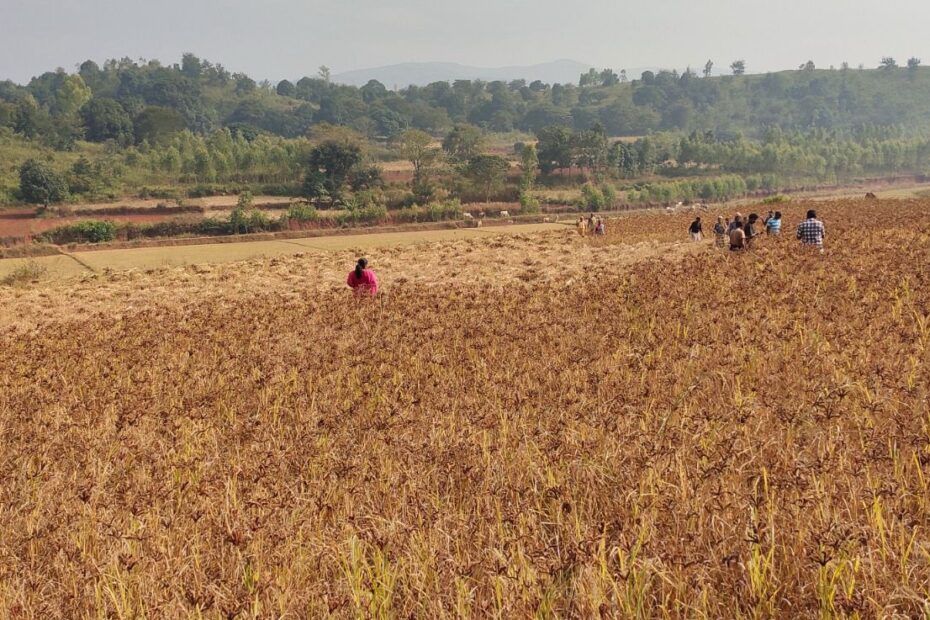
Bank and the sustainability think tank TMG to develop a comprehensive conceptual and financial cooperation framework for Food Systems Transformation (FST). The project aims to guide KfW’s strategic engagement within German Development Cooperation and with international partners, helping translate the complex FST agenda into actionable implementation pathways.

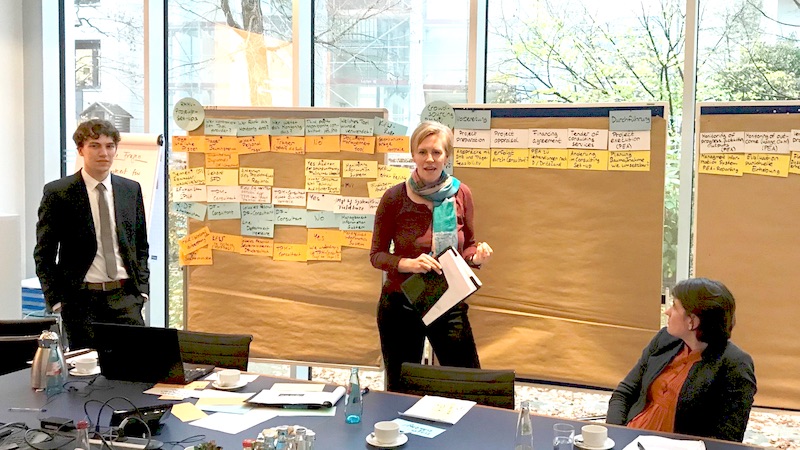
Funded by the BMZ the project combines research, peer learning, and strategic design. It began with a kick-off workshop in Rome, followed by a literature and discourse analysis, peer review of 24 organizations -including MDBs, PDBs, private banks, NGOs, and philanthropic actors -and the co-creation of a Financial Cooperation Concept for FST.

To ensure practical applicability, Guidance Documents were developed to support KfW in identifying financing partners, investment opportunities, and instruments for systemic change. These include analyses on potential partners for FST and on investing in land rights as a foundation for transformation. The findings inform both KfW’s FZ Future Process and BMZ’s broader reform agenda, contributing to a stronger, more coherent approach to financing sustainable food systems.

Conceptual Study on Results-based Financing Approaches

To support the expansion of its financial instruments, KfW commissioned a study on results-based financing (RBF) policies and practices of bi- and multilateral development partners. The study examined institutional contexts, design features, appraisal mechanisms, and lessons learnt from existing RBF approaches, where payments are contingent upon verified results rather than inputs or activities.

Our work included analysing donor experiences and guidelines, mapping funders of RBF projects, and compiling findings into a report. The study provided KfW with a structured overview of existing approaches and operational practices to inform future application of results-based financing.

You can read the study here.

Evaluating the Robert Bosch Stiftung’s Global Issues Program 

To assess its Global Issues support area, the Robert Bosch Stiftung commissioned a mid-term evaluation. We reviewed program areas, analysed Theories of Change, and combined surveys, interviews, and portfolio analysis.

The evaluation highlighted ways to refine funding practices, strengthen cross-thematic collaboration, and adapt impact measurement. Our findings helped the foundation align its long-term strategy with evolving global challenges.

Integrating Gender Equality in Development Cooperation

We work with development cooperation actors to systematically integrate gender equality across sectors, instruments, and regions. Our work spans conceptual studies, tool development, and gender analyses at project and institutional levels—combining sector expertise with participatory approaches to translate feminist development policy into action.

Sectoral Experience

We have developed practical tools and analyses to strengthen gender equality in key sectors:

  • Energy, WASH & TVET: Fact sheets, guidelines, and tools supporting gender-responsive project design, indicator refinement, and expert selection.
  • Financial Sector: A comprehensive toolbox for gender-responsive approaches with financial intermediaries, featuring frameworks, good practice examples, and interactive guidance for portfolio managers.

Country Examples

  • Senegal: Gender analysis of a solar energy project in the Iles-de-Saloum region, assessing impacts on women and developing recommendations to enhance social and economic benefits through targeted measures and improved M&E. Gender-sensitive indicators were created to track progress on women’s empowerment.
  • Egypt: Study on gender equality in the energy sector, focusing on women’s participation in technical and leadership roles at EEHC and EETC. The study included extensive stakeholder consultations and produced actionable strategies for gender-inclusive policies and stronger female representation.
  • Morocco: Multisectoral gender assessment across the financial, energy, water, agriculture, and mobility sectors, identifying cross-sector opportunities to strengthen gender integration in KfW’s portfolio.

Supporting the creation of the Blue Action Fund

To address a global funding gap in marine conservation, we worked with KfW to establish the Blue Action Fund, a trust fund supporting NGOs in Africa, Latin America, and Asia. Our role included shaping the strategy, operational framework, and governance structure.

We facilitated stakeholder workshops, developed key manuals, and supported the launch of the first call for proposals. Today, the Fund is a leading platform providing critical financial support for marine and coastal protection worldwide.

Learn more: www.blueactionfund.org

Supporting Organisational Development in a Climate Foundation

We accompanied a climate foundation on its three-year organisational development journey, co-designing the participatory “Fit4Future” process. Staff developed and tested innovations such as meeting-free days, more flexible work options, and a positive culture around mistakes.

In addition, we supported the foundation in creating a new mission statement and trained middle management in leadership tools. Our role included introducing participatory approaches and methods for continuous learning.

From Evaluation to Transformation: Enhancing Health Projects in Togo

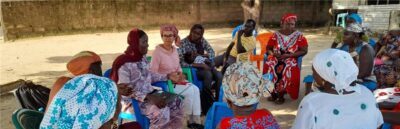
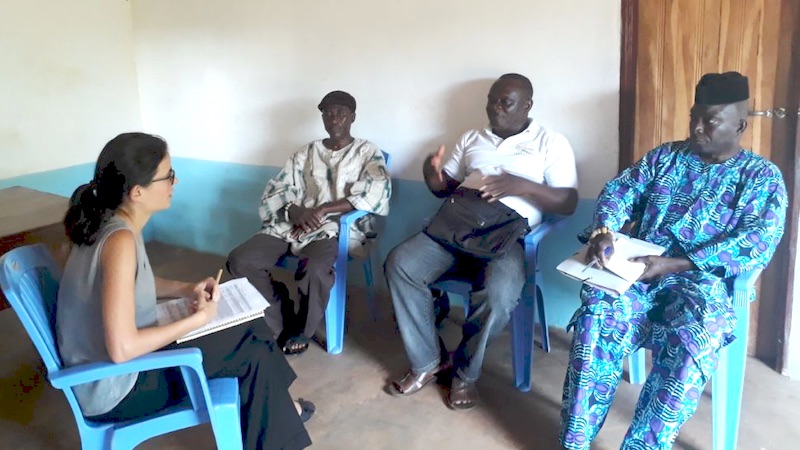
To strengthen community health systems in Togo, we worked with a local NGO that had rapidly expanded its project portfolio thanks to new donor support. Our role was to evaluate its health programme portfolio and identify opportunities for improvement. Using participatory methods such as focus group discussions and the MAPP approach, we assessed project impact and organizational performance.

We then supported the NGO in enhancing its monitoring, evaluation, and reporting capacities – first through remote coaching, followed by a one-week on-site workshop. Together, we developed an organizational assessment, clarified strategic priorities, and delivered tailored trainings on reporting standards, logframe development, and M&E systems. The NGO now continues to expand its outreach and apply innovative approaches to improve health services in remote areas of Togo.

Prequalification of NGOs for a rapid response mechanism in Eastern Africa

To enable faster humanitarian response in East Africa, we supported an international donor in setting up a rapid response mechanism. Our role was to prequalify a pool of NGOs to ensure quick project preparation and implementation.

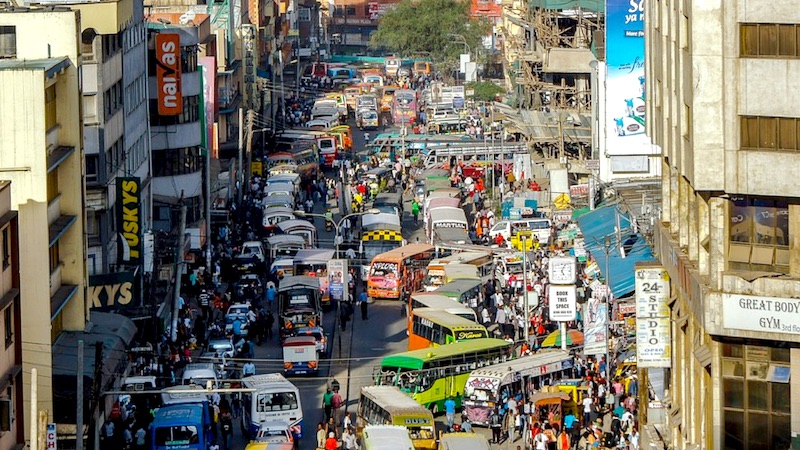
We mapped active NGOs across relevant countries and sectors, invited them to submit Expressions of Interest, and assessed their capacities through a tailored evaluation tool and on-site visits to regional offices in Nairobi. The resulting analysis and report now allow the donor to swiftly identify suitable NGO partners for future interventions.

Developing and Environmental and Social Management Framework (ESMF) for a Refugee Fund in Uganda

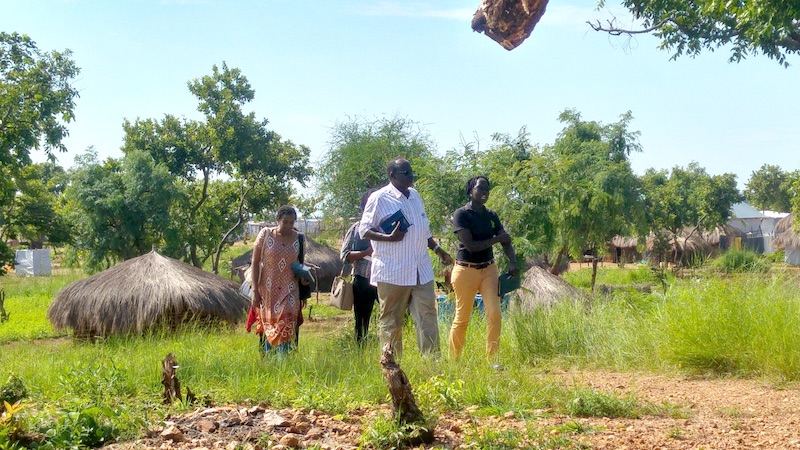
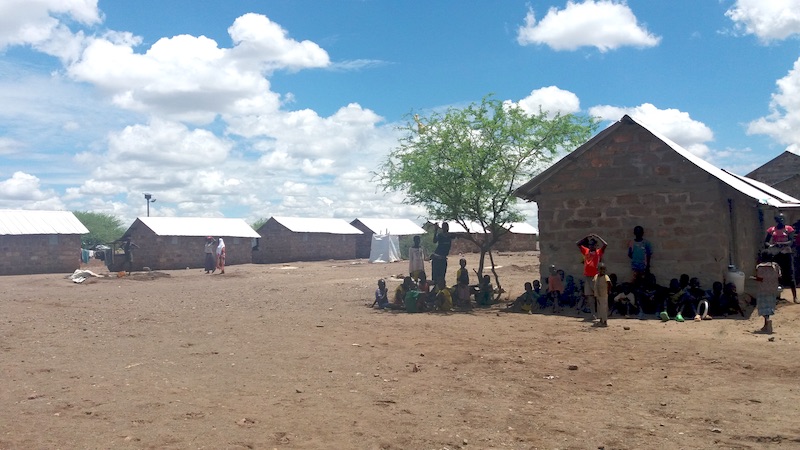
For Uganda’s Refugee Response Fund, we designed an Environmental and Social Management Framework to ensure compliance with international standards. This included safeguard plans for pilot projects and a land acquisition framework.

Working with local experts, we conducted field visits, stakeholder consultations, and training workshops to build capacity and ensure risks were managed inclusively and sustainably. The Fund now integrates strong environmental and social safeguards into its operations.

Developing a Toolbox for Remote Management and Monitoring of Development Projects

We advised an international donor on opportunities and risks of remote project management in fragile contexts. To support practical application, we created a toolbox with over 60 good practice examples, strategies for stakeholder engagement, and guidance on technology use.

Developed through broad consultations and participatory workshops, the toolbox equips practitioners with tools to manage projects effectively when travel or on-site monitoring is limited. It is now widely used to ensure successful programming in complex environments.

Developing an SDG contribution tool: Analysing the Impact of a Project Portfolio in Albania

To strengthen impact assessment, we developed a tool for estimating development portfolios’ contributions to the SDGs. The tool quantifies expected results, compares them with DAC evaluation criteria, and provides structured guidance for strategic planning.

We piloted the tool with the German Development Cooperation portfolio in Albania, validating results with experts and refining the methodology. This approach offers practitioners a practical way to align portfolios with the SDGs and improve evidence-based programming.

Supporting Organisational Development of the Nature Trust Alliance (NTA)

We analysed potential synergies among conservation trust funds and developed a shared services model, resulting in the creation of the Nature Trust Alliance. This collaboration reduces administrative costs and allows members to focus on their core mission of biodiversity conservation.

Following NTA’s establishment, we facilitated strategic workshops and co-developed an operational manual with the team. Today, NTA strengthens cooperation among conservation funds, increasing efficiency and collective impact.

Developing an Operations Manual for the Climate Bridge Fund in Bangladesh

We supported the design of the Climate Bridge Fund to address climate-induced migration in Bangladesh. Our work focused on creating its governance framework and drafting an operational manual with transparent rules for project selection and fund management.

Through participatory workshops with BRAC and consultations with stakeholders, we ensured ownership and alignment with local needs. The Fund is now well-positioned to deliver sustainable climate adaptation solutions in vulnerable regions.

Rethinking Agricultural Mechanisation in Sub-Saharan Africa

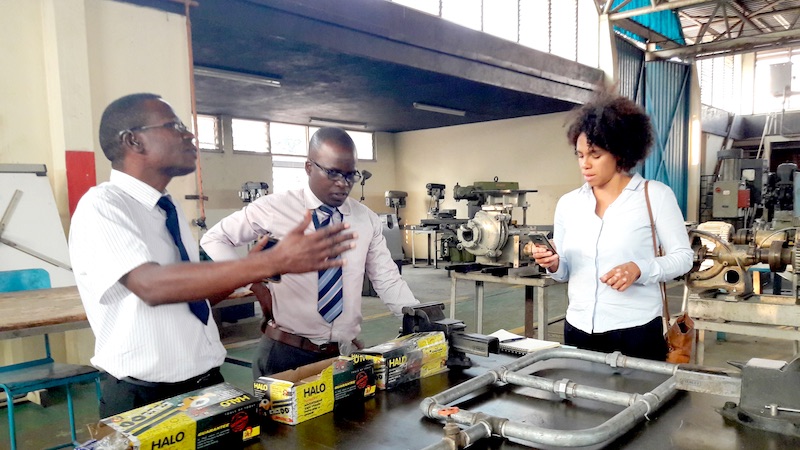
We examined the potential of agricultural mechanisation to increase food security while addressing financing barriers for smallholder farmers. Our analysis highlighted opportunities for accessible technologies and innovative financial models.

Recommendations included shared-use models, adapted small-scale machinery, and alternative financing such as warehouse receipts. By combining technology with financial innovation, we promoted inclusive and sustainable approaches to agricultural mechanisation.

Strengthening Sustainability in BMW’s Supply Chain in Bangladesh

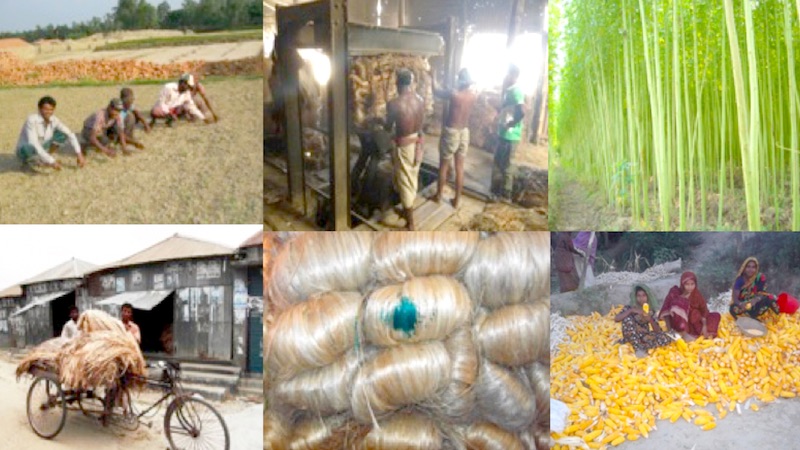
BMW sought to improve transparency and sustainability in its Kenaf supply chain in Bangladesh. We assessed risks and opportunities through field research, value chain analysis, and stakeholder consultations.

Our findings informed a project proposal addressing sustainable farming practices, traceability, and fair income distribution. Implemented later by GIZ, the initiative has since improved farmer livelihoods and enhanced supply chain sustainability.

Evaluating the Jeune S3 Program on Sexual and Reproductive Health and Rights (SRHR) 

From 2016 to 2020, the Jeune S3 program empowered youth in fragile contexts to make informed SRHR decisions. We conducted a multi-country evaluation combining surveys, expert interviews, and participatory workshops with local stakeholders.

The evaluation provided strategic recommendations, lessons learned, and validated findings with program partners. Its participatory approach strengthened evidence-based decision-making for future youth-centred SRHR initiatives in fragile settings.

Strengthening the Partnership between KfW and UNDP as well as UNICEF

To improve cooperation between KfW and the UN agencies UNICEF and UNDP in supporting children and families in conflict-affected settings, we facilitated the development of standard operating procedures (SOPs) for joint project design and implementation. The goal was to accelerate project preparation, enhance management efficiency, and make collaboration more predictable and effective. We also supported the partners in establishing mechanisms for knowledge exchange and co-creation of innovative approaches, helping both organizations leverage their complementary strengths for greater impact.

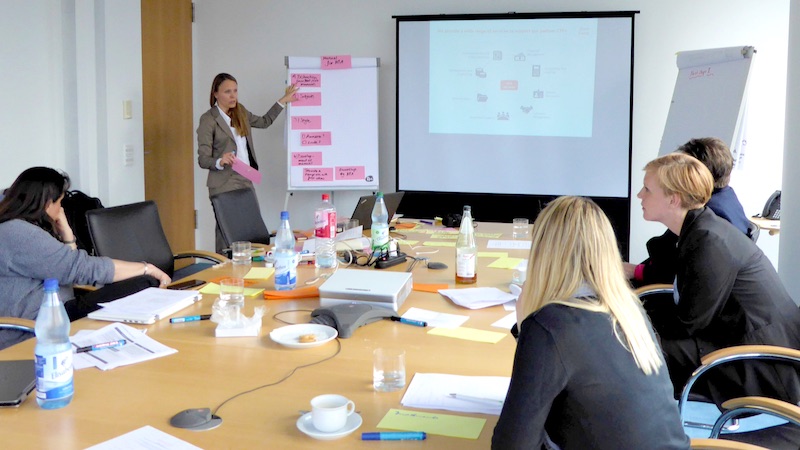
Over the course of a year, we worked in an agile and participatory process involving both management and technical teams. The resulting SOP manual outlines the typical project cycle and provides practical guidance for efficient cooperation. It was piloted across several UNICEF and UNDP programmes to test and refine its applicability. Through structured dialogue formats, both in-person and online, we enabled transparent collaboration, joint learning, and a strong results orientation.

Developing a multi-stakeholder sustainable use of mangroves programme in Madagascar

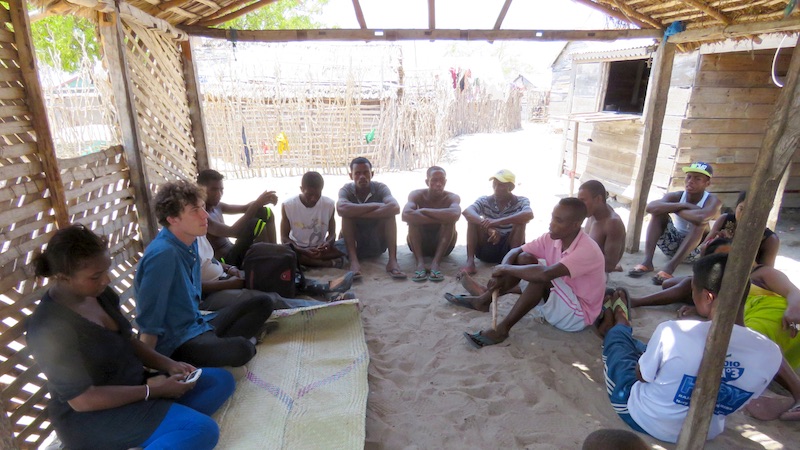
Madagascar hosts around 20% of Africa’s mangroves, which are vital for coastal livelihoods and biodiversity. However, unsustainable wood extraction for charcoal and construction has led to alarming losses of mangrove cover, threatening ecosystems and community resilience. To address these challenges, we supported the development of a multi-stakeholder programme promoting mangrove reforestation, community-based resource governance, and alternative livelihoods. The programme, implemented by Madagascar’s national parks agency in cooperation with international and local NGOs, combines conservation goals with inclusive economic development.

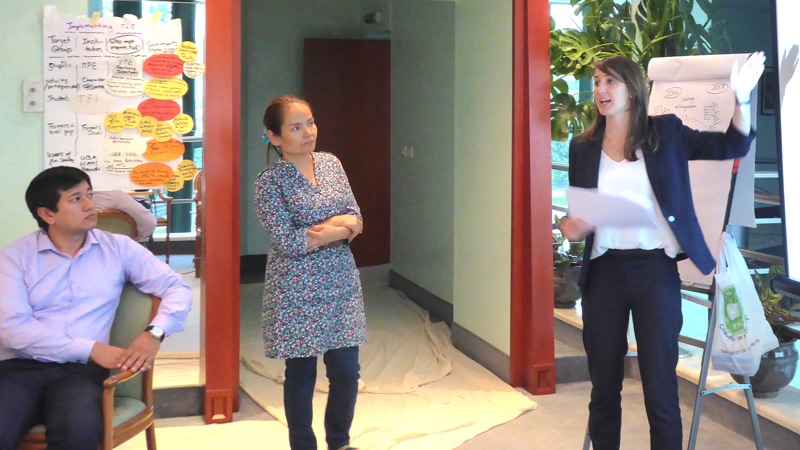
We facilitated the participatory design process – from defining a shared vision at a national conference side event to coordinating project selection through an interactive pitch day. Selected NGO initiatives were integrated into a coherent programme concept, and a joint workshop using Metaplan and Theory U methods ensured harmonized approaches and monitoring. The result is a coordinated platform for restoring mangroves and supporting sustainable livelihoods along Madagascar’s coasts.

Strengthening Pediatric Surgery in Ethiopia (JimmaChild)

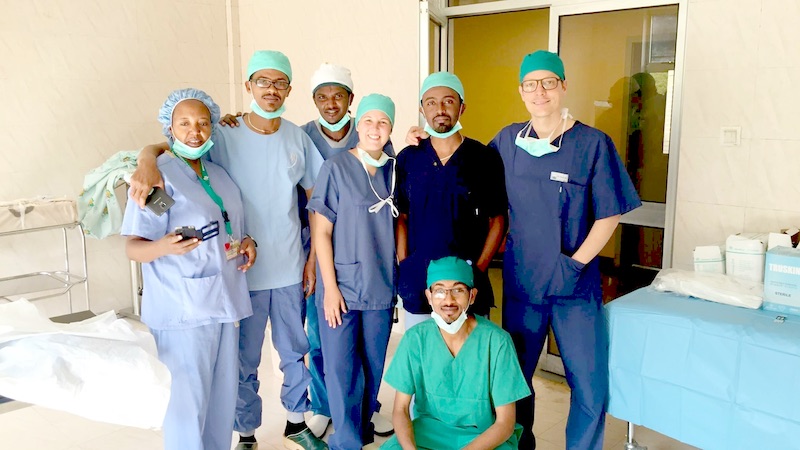
With only five pediatric surgeons serving 41 million children, Ethiopia faces a severe shortage of specialists. The JimmaChild project, a collaboration between Ethiopian and German universities, set out to train more pediatric surgeons and strengthen medical education.

We supported the project’s design, proposal, and M&E framework, while facilitating workshops and coaching. Its success has inspired expansion to other universities, setting a model for sustainable pediatric health training in Ethiopia.

Innovative approaches for skills development and employment promotion for Africa

To support sustainable employment creation across Africa, we worked with our client to identify effective strategies for promoting not only more jobs, but better jobs. In a context of rapid population growth and shifting economic dynamics, we analysed regional trends and development challenges to provide strategic guidance on employment promotion. Our approach emphasised that valuable jobs are productive, safe, inclusive, and provide the basis for decent livelihoods.

Building on this analysis, we evaluated a range of project approaches to strengthen employment systems and job quality. These included policy-based operations to improve the framework conditions for jobs, initiatives that foster private sector innovation and SME development, and support for industrial zones as drivers of regional growth. We also explored opportunities in emerging labour-intensive sectors, such as the “green” construction industry, linking employment promotion to sustainability and long-term competitiveness.

Designing a Regional Migration Fund for the Horn of Africa

We assisted the German government and IGAD in designing a Regional Migration Fund to address displacement and migration challenges. Through consultations with communities and governments, we identified priorities in economic opportunities and inclusive infrastructure.

Our design study defined governance and operational frameworks, later validated in multi-stakeholder workshops. Formalised in an Aide Mémoire between IGAD and KfW, the Fund is now moving toward operationalisation.