Home » Process Facilitation & Multi-Stakeholder Dialogue

Process Facilitation & Multi-Stakeholder Dialogue

Financing Food Systems Transformation

Bank and the sustainability think tank TMG to develop a comprehensive conceptual and financial cooperation framework for Food Systems Transformation (FST). The project aims to guide KfW’s strategic engagement within German Development Cooperation and with international partners, helping translate the complex FST agenda into actionable implementation pathways.

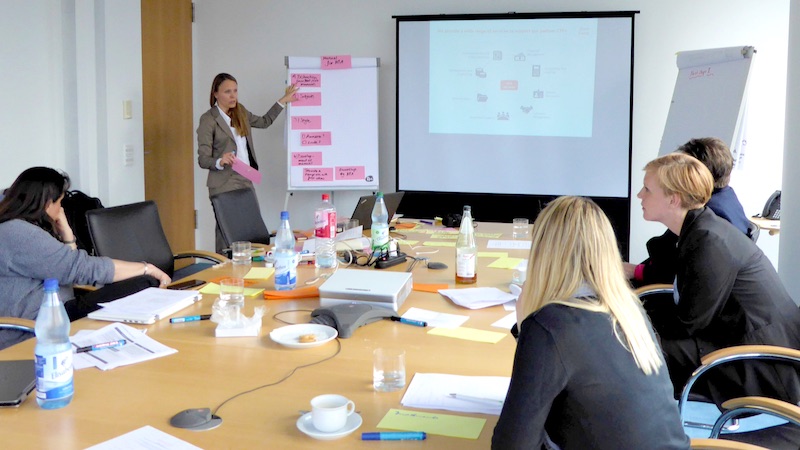
Funded by the BMZ the project combines research, peer learning, and strategic design. It began with a kick-off workshop in Rome, followed by a literature and discourse analysis, peer review of 24 organizations -including MDBs, PDBs, private banks, NGOs, and philanthropic actors -and the co-creation of a Financial Cooperation Concept for FST.

To ensure practical applicability, Guidance Documents were developed to support KfW in identifying financing partners, investment opportunities, and instruments for systemic change. These include analyses on potential partners for FST and on investing in land rights as a foundation for transformation. The findings inform both KfW’s FZ Future Process and BMZ’s broader reform agenda, contributing to a stronger, more coherent approach to financing sustainable food systems.
Supporting the creation of the Blue Action Fund

To address a global funding gap in marine conservation, we worked with KfW to establish the Blue Action Fund, a trust fund supporting NGOs in Africa, Latin America, and Asia. Our role included shaping the strategy, operational framework, and governance structure.

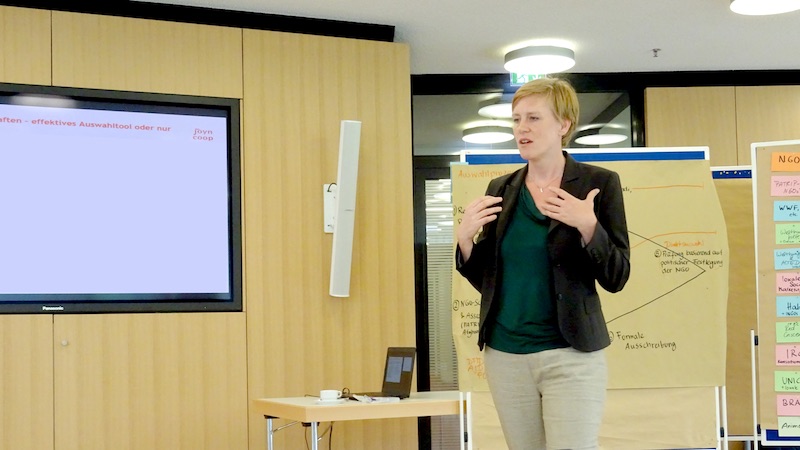
We facilitated stakeholder workshops, developed key manuals, and supported the launch of the first call for proposals. Today, the Fund is a leading platform providing critical financial support for marine and coastal protection worldwide.

Learn more: www.blueactionfund.org

Supporting Organisational Development in a Climate Foundation

We accompanied a climate foundation on its three-year organisational development journey, co-designing the participatory “Fit4Future” process. Staff developed and tested innovations such as meeting-free days, more flexible work options, and a positive culture around mistakes.

In addition, we supported the foundation in creating a new mission statement and trained middle management in leadership tools. Our role included introducing participatory approaches and methods for continuous learning.

Prequalification of NGOs for a rapid response mechanism in Eastern Africa

To enable faster humanitarian response in East Africa, we supported an international donor in setting up a rapid response mechanism. Our role was to prequalify a pool of NGOs to ensure quick project preparation and implementation.

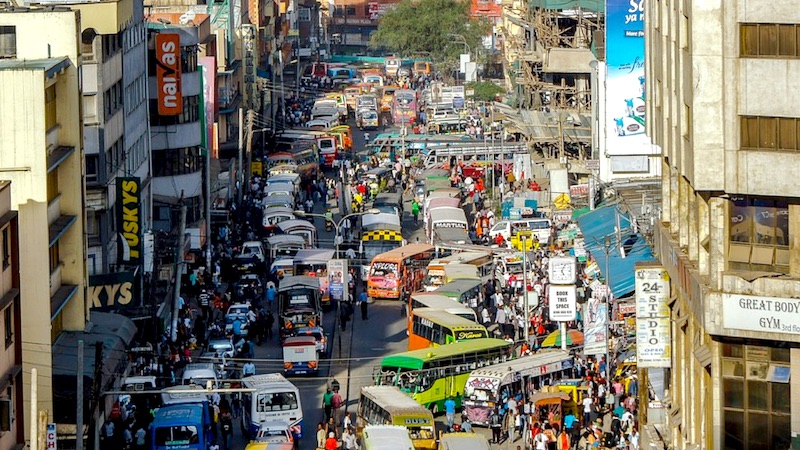
We mapped active NGOs across relevant countries and sectors, invited them to submit Expressions of Interest, and assessed their capacities through a tailored evaluation tool and on-site visits to regional offices in Nairobi. The resulting analysis and report now allow the donor to swiftly identify suitable NGO partners for future interventions.

Supporting Organisational Development of the Nature Trust Alliance (NTA)

We analysed potential synergies among conservation trust funds and developed a shared services model, resulting in the creation of the Nature Trust Alliance. This collaboration reduces administrative costs and allows members to focus on their core mission of biodiversity conservation.

Following NTA’s establishment, we facilitated strategic workshops and co-developed an operational manual with the team. Today, NTA strengthens cooperation among conservation funds, increasing efficiency and collective impact.

Strengthening the Partnership between KfW and UNDP as well as UNICEF

To improve cooperation between KfW and the UN agencies UNICEF and UNDP in supporting children and families in conflict-affected settings, we facilitated the development of standard operating procedures (SOPs) for joint project design and implementation. The goal was to accelerate project preparation, enhance management efficiency, and make collaboration more predictable and effective. We also supported the partners in establishing mechanisms for knowledge exchange and co-creation of innovative approaches, helping both organizations leverage their complementary strengths for greater impact.

Over the course of a year, we worked in an agile and participatory process involving both management and technical teams. The resulting SOP manual outlines the typical project cycle and provides practical guidance for efficient cooperation. It was piloted across several UNICEF and UNDP programmes to test and refine its applicability. Through structured dialogue formats, both in-person and online, we enabled transparent collaboration, joint learning, and a strong results orientation.

Developing a multi-stakeholder sustainable use of mangroves programme in Madagascar

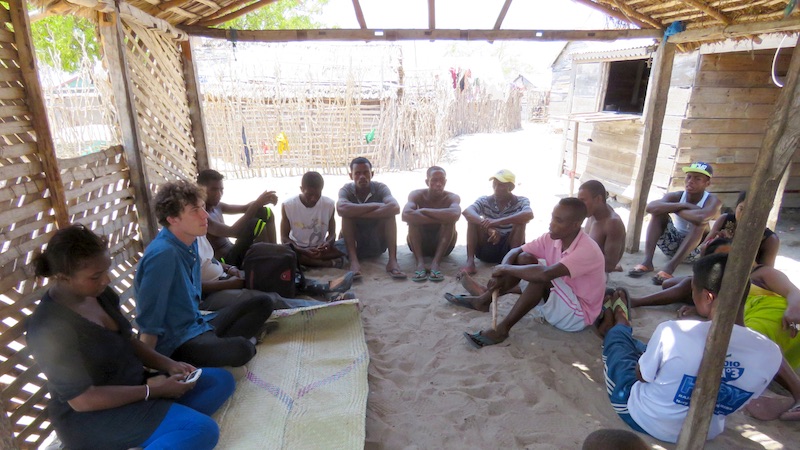
Madagascar hosts around 20% of Africa’s mangroves, which are vital for coastal livelihoods and biodiversity. However, unsustainable wood extraction for charcoal and construction has led to alarming losses of mangrove cover, threatening ecosystems and community resilience. To address these challenges, we supported the development of a multi-stakeholder programme promoting mangrove reforestation, community-based resource governance, and alternative livelihoods. The programme, implemented by Madagascar’s national parks agency in cooperation with international and local NGOs, combines conservation goals with inclusive economic development.

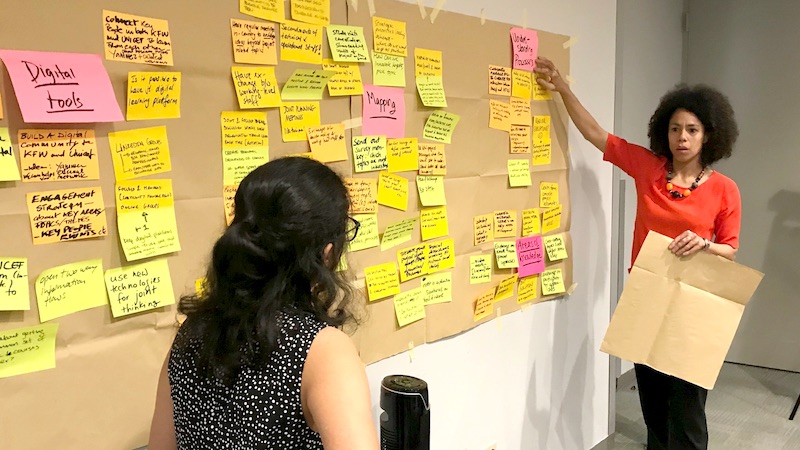
We facilitated the participatory design process – from defining a shared vision at a national conference side event to coordinating project selection through an interactive pitch day. Selected NGO initiatives were integrated into a coherent programme concept, and a joint workshop using Metaplan and Theory U methods ensured harmonized approaches and monitoring. The result is a coordinated platform for restoring mangroves and supporting sustainable livelihoods along Madagascar’s coasts.