Home » Africa

Africa

Integrating Gender Equality in Development Cooperation

We work with development cooperation actors to systematically integrate gender equality across sectors, instruments, and regions. Our work spans conceptual studies, tool development, and gender analyses at project and institutional levels—combining sector expertise with participatory approaches to translate feminist development policy into action.

Sectoral Experience

We have developed practical tools and analyses to strengthen gender equality in key sectors:

  • Energy, WASH & TVET: Fact sheets, guidelines, and tools supporting gender-responsive project design, indicator refinement, and expert selection.
  • Financial Sector: A comprehensive toolbox for gender-responsive approaches with financial intermediaries, featuring frameworks, good practice examples, and interactive guidance for portfolio managers.

Country Examples

  • Senegal: Gender analysis of a solar energy project in the Iles-de-Saloum region, assessing impacts on women and developing recommendations to enhance social and economic benefits through targeted measures and improved M&E. Gender-sensitive indicators were created to track progress on women’s empowerment.
  • Egypt: Study on gender equality in the energy sector, focusing on women’s participation in technical and leadership roles at EEHC and EETC. The study included extensive stakeholder consultations and produced actionable strategies for gender-inclusive policies and stronger female representation.
  • Morocco: Multisectoral gender assessment across the financial, energy, water, agriculture, and mobility sectors, identifying cross-sector opportunities to strengthen gender integration in KfW’s portfolio.
Developing a multi-stakeholder sustainable use of mangroves programme in Madagascar

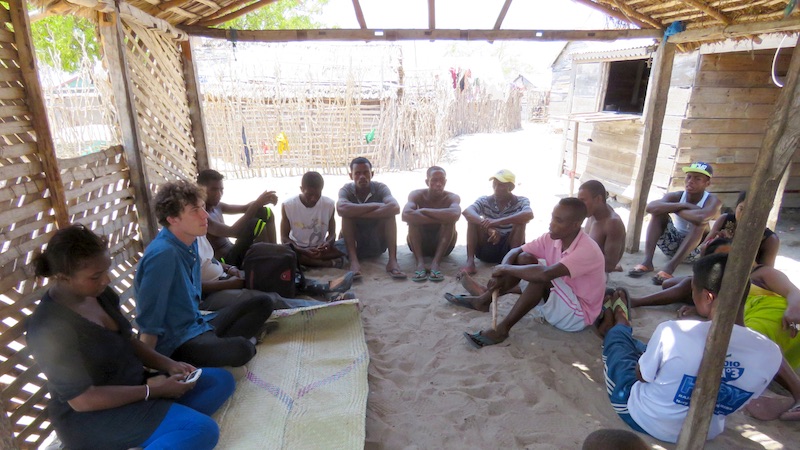
Madagascar hosts around 20% of Africa’s mangroves, which are vital for coastal livelihoods and biodiversity. However, unsustainable wood extraction for charcoal and construction has led to alarming losses of mangrove cover, threatening ecosystems and community resilience. To address these challenges, we supported the development of a multi-stakeholder programme promoting mangrove reforestation, community-based resource governance, and alternative livelihoods. The programme, implemented by Madagascar’s national parks agency in cooperation with international and local NGOs, combines conservation goals with inclusive economic development.

We facilitated the participatory design process – from defining a shared vision at a national conference side event to coordinating project selection through an interactive pitch day. Selected NGO initiatives were integrated into a coherent programme concept, and a joint workshop using Metaplan and Theory U methods ensured harmonized approaches and monitoring. The result is a coordinated platform for restoring mangroves and supporting sustainable livelihoods along Madagascar’s coasts.

Innovative approaches for skills development and employment promotion for Africa

To support sustainable employment creation across Africa, we worked with our client to identify effective strategies for promoting not only more jobs, but better jobs. In a context of rapid population growth and shifting economic dynamics, we analysed regional trends and development challenges to provide strategic guidance on employment promotion. Our approach emphasised that valuable jobs are productive, safe, inclusive, and provide the basis for decent livelihoods.

Building on this analysis, we evaluated a range of project approaches to strengthen employment systems and job quality. These included policy-based operations to improve the framework conditions for jobs, initiatives that foster private sector innovation and SME development, and support for industrial zones as drivers of regional growth. We also explored opportunities in emerging labour-intensive sectors, such as the “green” construction industry, linking employment promotion to sustainability and long-term competitiveness.