Home » Archives for Jannis

Jannis

Peer Review on Policy-based Financing in Development Banks

On behalf of KfW, we conducted a peer review to compile and analyse lessons learnt from policy-based financing (PBF) operations of five development banks: AfDB, ADB, AFD, IDB, and the World Bank. The review focused on the sectoral and thematic orientation of PBF portfolios, the types of reforms supported, and the design of disbursement triggers.
Our work included a quantitative portfolio analysis, examination of policy matrices, and interviews with representatives of the peer institutions. Findings were synthesised into a comprehensive report and presentation, outlining global trends and lessons for KfW’s own engagement in policy-based financing.
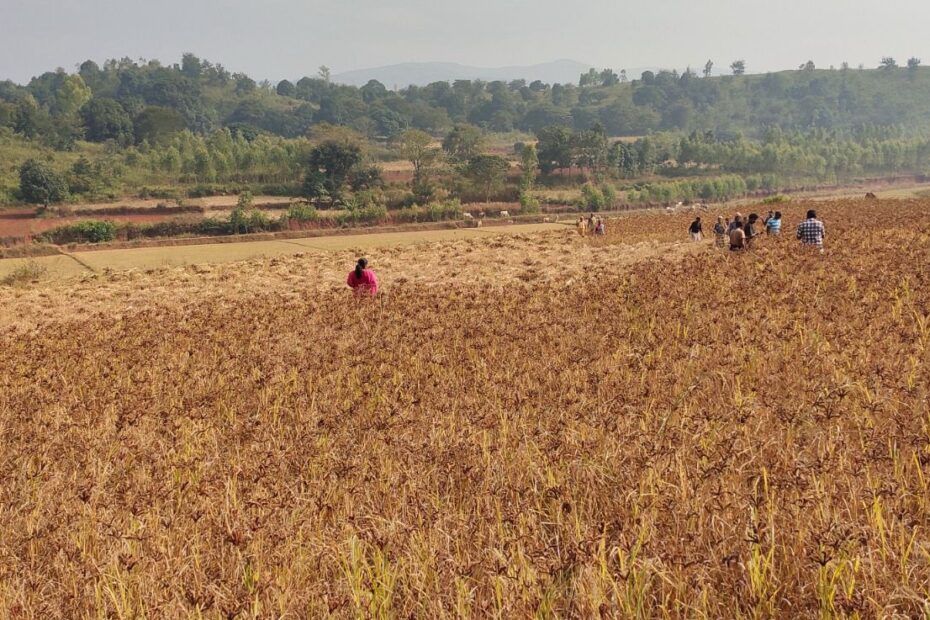
Financing Food Systems Transformation

Bank and the sustainability think tank TMG to develop a comprehensive conceptual and financial cooperation framework for Food Systems Transformation (FST). The project aims to guide KfW’s strategic engagement within German Development Cooperation and with international partners, helping translate the complex FST agenda into actionable implementation pathways.

Funded by the BMZ the project combines research, peer learning, and strategic design. It began with a kick-off workshop in Rome, followed by a literature and discourse analysis, peer review of 24 organizations -including MDBs, PDBs, private banks, NGOs, and philanthropic actors -and the co-creation of a Financial Cooperation Concept for FST.

To ensure practical applicability, Guidance Documents were developed to support KfW in identifying financing partners, investment opportunities, and instruments for systemic change. These include analyses on potential partners for FST and on investing in land rights as a foundation for transformation. The findings inform both KfW’s FZ Future Process and BMZ’s broader reform agenda, contributing to a stronger, more coherent approach to financing sustainable food systems.

Conceptual Study on Results-based Financing Approaches

To support the expansion of its financial instruments, KfW commissioned a study on results-based financing (RBF) policies and practices of bi- and multilateral development partners. The study examined institutional contexts, design features, appraisal mechanisms, and lessons learnt from existing RBF approaches, where payments are contingent upon verified results rather than inputs or activities.

Our work included analysing donor experiences and guidelines, mapping funders of RBF projects, and compiling findings into a report. The study provided KfW with a structured overview of existing approaches and operational practices to inform future application of results-based financing.

You can read the study here.

Evaluating the Robert Bosch Stiftung’s Global Issues Program 

To assess its Global Issues support area, the Robert Bosch Stiftung commissioned a mid-term evaluation. We reviewed program areas, analysed Theories of Change, and combined surveys, interviews, and portfolio analysis.

The evaluation highlighted ways to refine funding practices, strengthen cross-thematic collaboration, and adapt impact measurement. Our findings helped the foundation align its long-term strategy with evolving global challenges.

Integrating Gender Equality in Development Cooperation

We work with development cooperation actors to systematically integrate gender equality across sectors, instruments, and regions. Our work spans conceptual studies, tool development, and gender analyses at project and institutional levels—combining sector expertise with participatory approaches to translate feminist development policy into action.

Sectoral Experience

We have developed practical tools and analyses to strengthen gender equality in key sectors:

  • Energy, WASH & TVET: Fact sheets, guidelines, and tools supporting gender-responsive project design, indicator refinement, and expert selection.
  • Financial Sector: A comprehensive toolbox for gender-responsive approaches with financial intermediaries, featuring frameworks, good practice examples, and interactive guidance for portfolio managers.

Country Examples

  • Senegal: Gender analysis of a solar energy project in the Iles-de-Saloum region, assessing impacts on women and developing recommendations to enhance social and economic benefits through targeted measures and improved M&E. Gender-sensitive indicators were created to track progress on women’s empowerment.
  • Egypt: Study on gender equality in the energy sector, focusing on women’s participation in technical and leadership roles at EEHC and EETC. The study included extensive stakeholder consultations and produced actionable strategies for gender-inclusive policies and stronger female representation.
  • Morocco: Multisectoral gender assessment across the financial, energy, water, agriculture, and mobility sectors, identifying cross-sector opportunities to strengthen gender integration in KfW’s portfolio.

Supporting Organisational Development in a Climate Foundation

We accompanied a climate foundation on its three-year organisational development journey, co-designing the participatory “Fit4Future” process. Staff developed and tested innovations such as meeting-free days, more flexible work options, and a positive culture around mistakes.

In addition, we supported the foundation in creating a new mission statement and trained middle management in leadership tools. Our role included introducing participatory approaches and methods for continuous learning.

From Evaluation to Transformation: Enhancing Health Projects in Togo

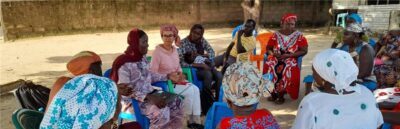
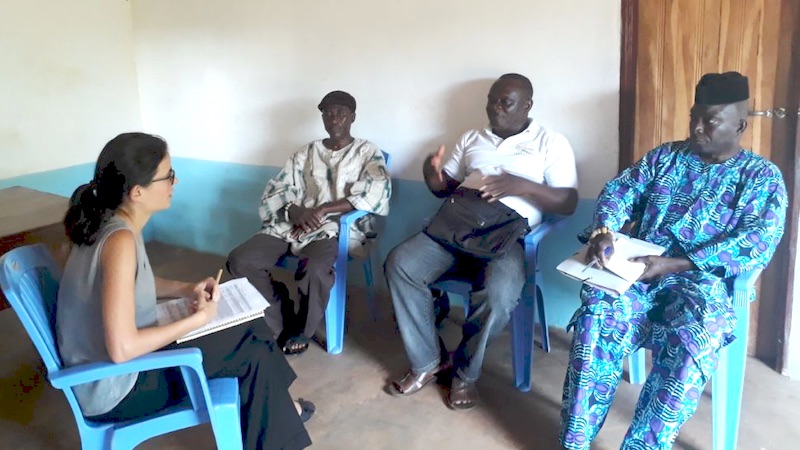
To strengthen community health systems in Togo, we worked with a local NGO that had rapidly expanded its project portfolio thanks to new donor support. Our role was to evaluate its health programme portfolio and identify opportunities for improvement. Using participatory methods such as focus group discussions and the MAPP approach, we assessed project impact and organizational performance.

We then supported the NGO in enhancing its monitoring, evaluation, and reporting capacities – first through remote coaching, followed by a one-week on-site workshop. Together, we developed an organizational assessment, clarified strategic priorities, and delivered tailored trainings on reporting standards, logframe development, and M&E systems. The NGO now continues to expand its outreach and apply innovative approaches to improve health services in remote areas of Togo.

Evaluating the Jeune S3 Program on Sexual and Reproductive Health and Rights (SRHR) 

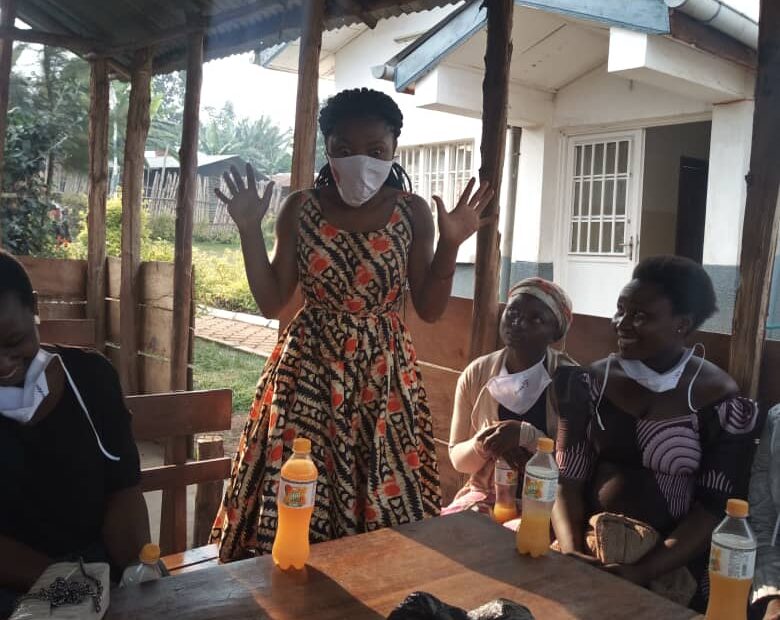
From 2016 to 2020, the Jeune S3 program empowered youth in fragile contexts to make informed SRHR decisions. We conducted a multi-country evaluation combining surveys, expert interviews, and participatory workshops with local stakeholders.

The evaluation provided strategic recommendations, lessons learned, and validated findings with program partners. Its participatory approach strengthened evidence-based decision-making for future youth-centred SRHR initiatives in fragile settings.